Your flooring is an investment in your home that you use every day. The right flooring should fit your lifestyle, hold up to heavy foot traffic and make cleaning and maintenance more manageable. In coastal areas, performance is important. Sand, humidity, wet shoes and busy homes can expose the weaknesses of the wrong material pretty quickly.
In this guide, we’ll talk about the materials we work with the most at Savi Flooring & Tile: engineered hardwood, luxury vinyl (LVP/LVT) and tile (porcelain/ceramic). Let’s make a confident choice based on your space and real-life needs.
Start With These 6 Factors That Make Your Decision Easier
Color and texture are important, but the perfect floor goes beyond style. Here are some ways to narrow down your options with practical factors:
- Durability: Will it handle foot traffic, pets and daily wear without looking tired?
- Moisture Performance: Do you need waterproof protection or just “wipe it up quickly” resistance?
- Maintenance: How much ongoing cleaning and upkeep are you willing to do?
- Comfort: Do you want something softer and warmer underfoot or hard and durable?
- Style: Are you aiming for a natural wood look, a stone look or a clean modern finish?
- Budget and Long-Term Value: Upfront cost matters, but so does lifespan, repairs and peace of mind.
Remember that installation quality is just as important as the flooring material. Even the best product won’t last without proper installation.
Your Flooring Options
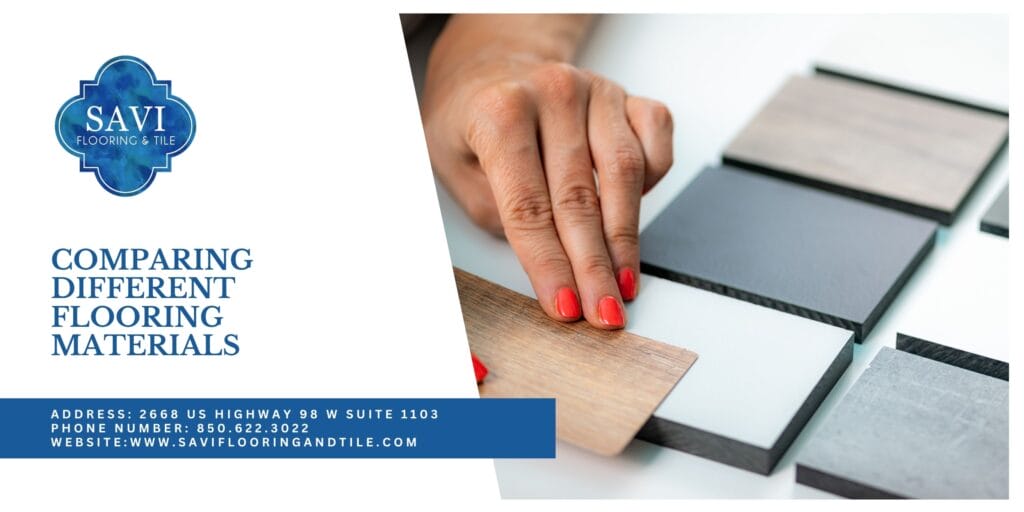
Which flooring option should you choose? To find the best one for you and your family, you should compare the pros and cons of each material. Here’s what you have to consider:
Engineered Hardwood Flooring
Engineered hardwood is often called the “best of both worlds” choice for homeowners chasing real wood beauty with better stability than solid hardwood. It provides the natural grain, warmth and premium look of real hardwood rather than a printed imitation. Here are upsides:
- Real wood appearance and high-end feel
- More stable than solid hardwood in many conditions
- Adds warmth and value to main living spaces
Even with its benefits, there are a few things to consider:
- Not waterproof and moisture needs to be managed
- Can scratch in busy homes (finish choice goes a long way)
- Requires the right care to keep it looking its best long-term
Where should you install engineered hardwood? Consider installing it in living rooms, dining rooms, bedrooms and lower-mess areas where you’re after a natural, elevated look.
Do you have pets, lots of guests or daily sand coming in? Engineered hardwood can still work. Just choose a more forgiving finish and consider adding a mat or area rug near entryways.
Luxury Vinyl (LVP/LVT)
Luxury vinyl flooring is perfect for those looking for style in a busy home. Modern LVP and LVT feature hyper-realistic image layers that look like wood or natural stone. Many products also stand up to moisture and daily wear without the need for constant upkeep. These floors carry these advantages:
- Water-friendly options that work well in busy homes
- Easy to clean and low maintenance
- Comfortable underfoot compared to tile
- Huge range of wood and stone looks
Unfortunately, these floors aren’t perfect. Think about these aspects before buying:
- Quality varies widely so choosing the right product is essential
- Can dent under heavy furniture
- Not truly “scatch-proof,” even if it’s durable
Consider installing these floors in kitchens, hallways, living areas and other high-traffic areas. This is especially true when you’re after a clean, consistent look without the stress.
Choosing vinyl for a pet-friendly home? Choose finishes that hide paw prints and daily wear. Texture and tone make a bigger difference than people expect.
Tile Flooring (Porcelain or Ceramic)
Tile flooring is extremely durable and moisture friendly, making it ideal for spaces that deal with water, sand and mess. There are several design possibilities ranging from modern and clean to warm and textured. Here’s what tile does best:
- Extremely durable and long-lasting
- Great for moisture, spills and wet zones
- Easy to clean and resistant to stains
- Endless style options (size, shape, pattern, texture)
That said, tile does have its downsides. These include:
- Can feel hard and cool underfoot
- Grout maintenance may be required over time
- Installation is technical and not a DIY job
Bathrooms, laundry rooms, kitchens, mudrooms and entryways, you name it and tile flooring can be installed there.
Worried about comfort? Use runners or area rugs over the tile in spaces that get the most wear.
Quick Comparison: Which Material Wins Where?
Flooring falls into several categories. Now that we’ve reviewed the pros and cons of each material, let’s talk about where each material comes out on top. Here’s an overview:
- Best for Moisture: Tile (and many waterproof vinyl options)
- Best for Busy Households: Luxury vinyl and tile
- Most Premium Natural Look: Engineered hardwood
- Easiest Maintenance: Tile and luxury vinyl
- Most Comfortable Underfoot: Luxury vinyl (and engineered hardwood in many spaces)
- Best for Entryways and Mess Zones: Tile or water-friendly vinyl
Ready to Compare Flooring Options Side-by-Side?
There’s no single “best” flooring material for every home. The right choice for you is based on your lifestyle, your rooms and how you want your home to feel day to day. At Savi Flooring & Tile, our flooring specialists will help you figure that out. We can provide honest advice about engineered hardwood, luxury vinyl and tile so you choose the right option for your home.
Want to learn more about our flooring materials? Visit our Santa Rosa Beach showroom or contact us today!